
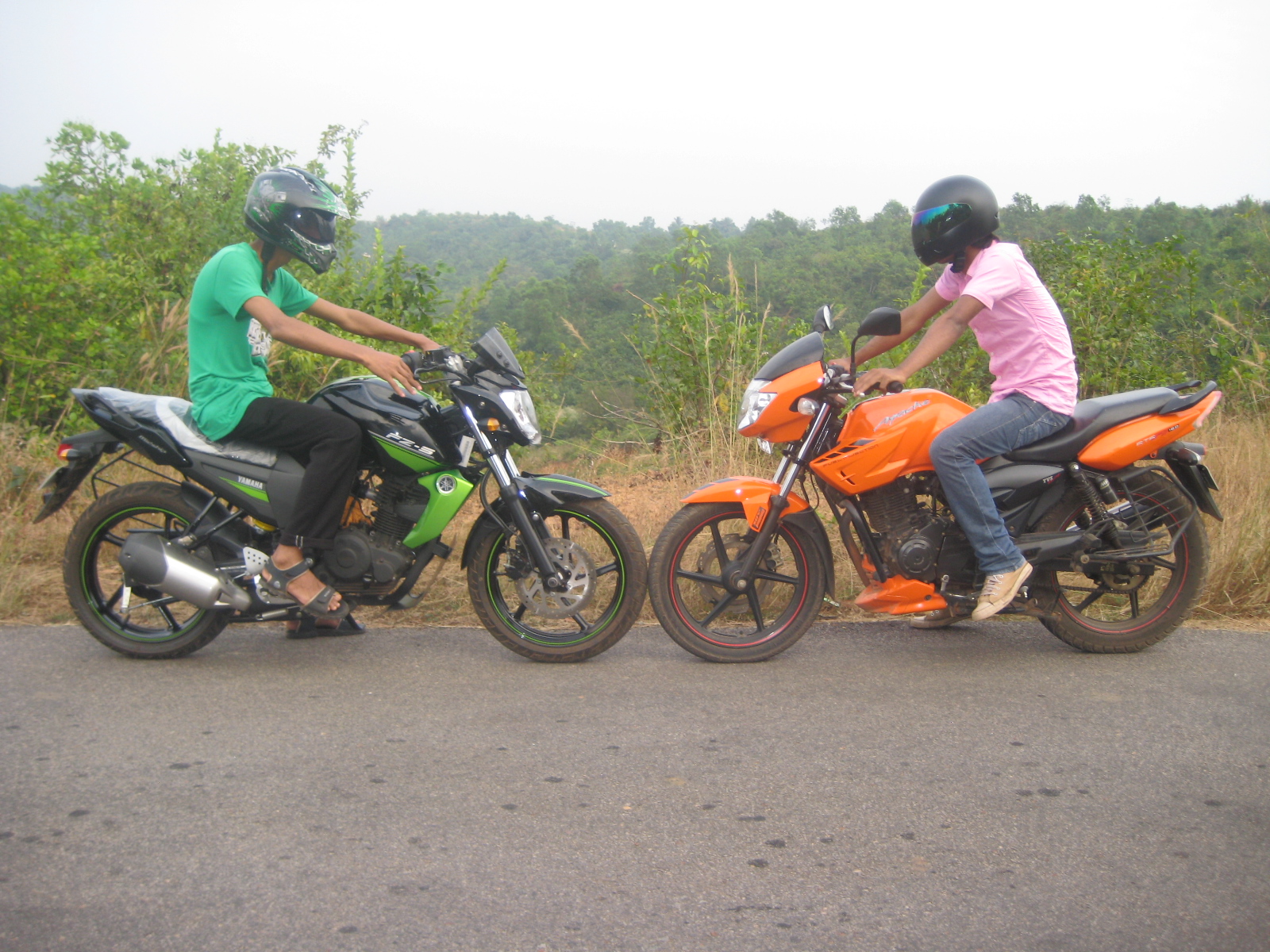
In BA’s first comparo we shootout YAMAHA FZ-S v/s TVS Apache RTR 160 FI to ride about 30km away from city, shoot the two bikes and evaluate them through in various conditions. Our both the riders Kabeer (YAMAHA FZ-S) and Ajju (TVS Apache RTR 160 FI) are damn confident about their scorching monsters.
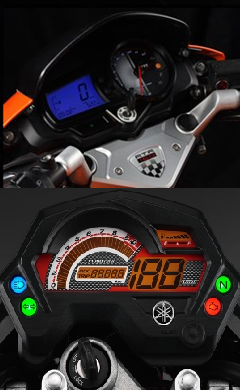 The FZ-S has smaller engine than TVS Apache RTR 160 FI and it produces about 2ps less. Naturally, we expected the YAMAHA FZ-S to off-set the TVS’s performance advantage by delivering better fuel efficiency. Surprisingly, that was not to be. The apache, even with its high-revving engine and power advantage offers better than the Yamaha. TVS Apache RTR 160 FI is nice looking; aggressive, sporty bike the FZ-S is just too sensational a design. Add to package India’s first fully digitable instrument, meanty forks plus an immaculate finish and you have a bike that outdoes any other Indian two-wheeler on the styling and equipment front.
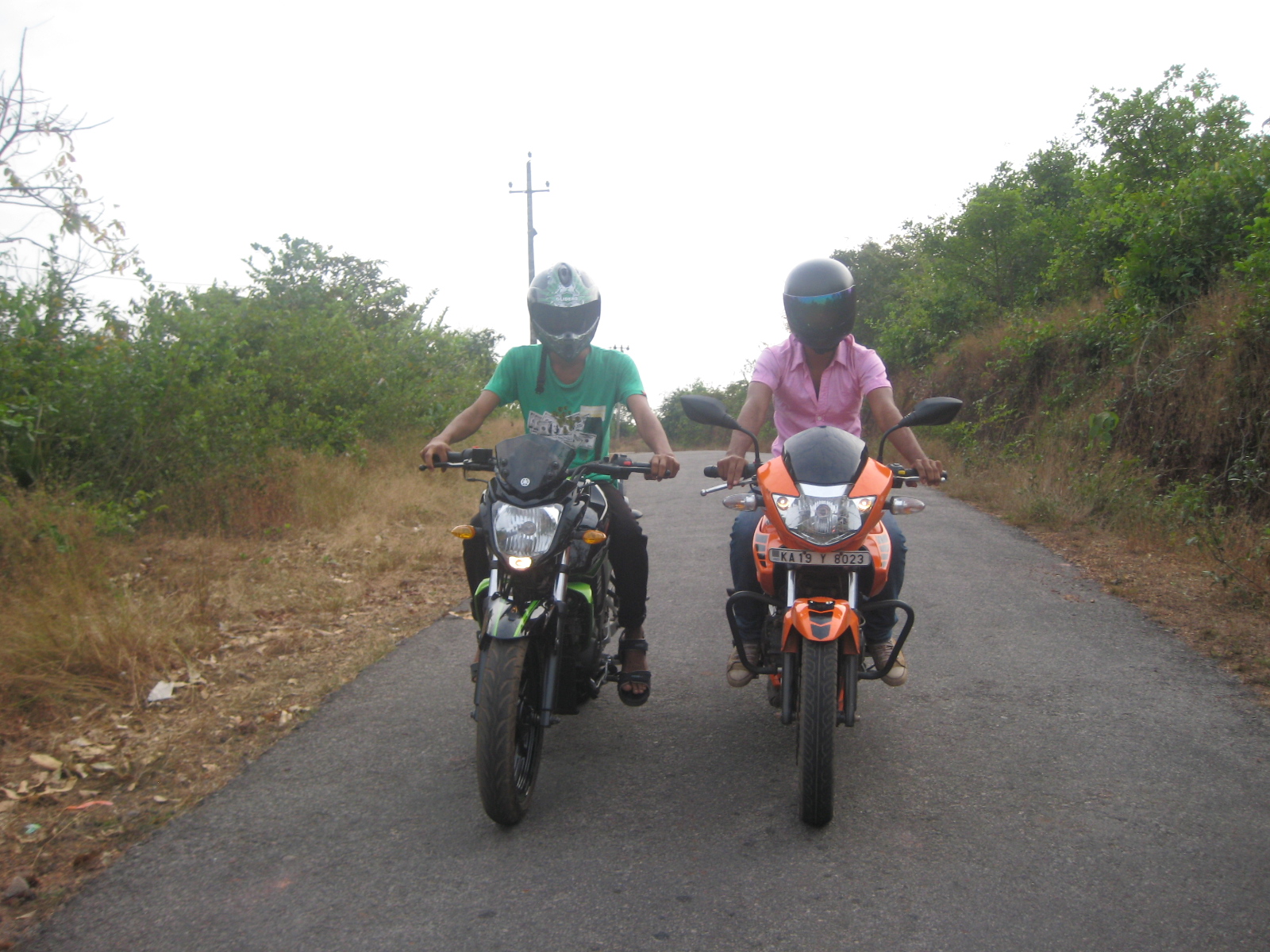 The experience aboard the FZ-S with its straight handlebar is quite unlike anything you would have ridden on Indian roads so far. Not many commuters are used to that sort of a handlebar design and positioning, but ergonomically, it’s spot on. The seating posture is slightly upright when compared to other sporty offerings in this segment, which is a good thing almost everywhere except racetrack. The spunky 153cc mill has oodles of low and mid-range power so you don’t have to bother your toes much to shift gears. The bike pulls strongly in high gears at low speeds. What’s more the handlebar design makes it to breeze to turn the bike at low speeds. The Apache RTR with its relatively sportier stance, clip-ons and a peaky engine doesn’t quite match up the FZ-S‘s dexterity in the city. By the time we exit the crowded streets to meet the highway; I know Kabeer’s choice has its nose ahead of the Apache.
 The RTR comes into its elements on the highway. The oversquare screamer engine loves to be revved. A higher engine capacity coupled with the high-revving mill means that the RTR is about a second quicker than the Yamaha to the quarter mile mark with a substantial advantage of about 10km/h in terms of top speed. Plus, the FZ-S having traded top whack for mid-range grunt, doesn’t pull very reassuringly above 90km/h. The bike is however quick as the RTR to the 0-60km/h sprint and has better high speed stability owing to its longer wheelbase and wider tyres. The refinement levels at high speed on the Yamaha are better than TVS which help it to cover some lost ground on the highway. But the RTR, without doubt has substantial advantage over the FZ-S on empty, stretched lengths so far.
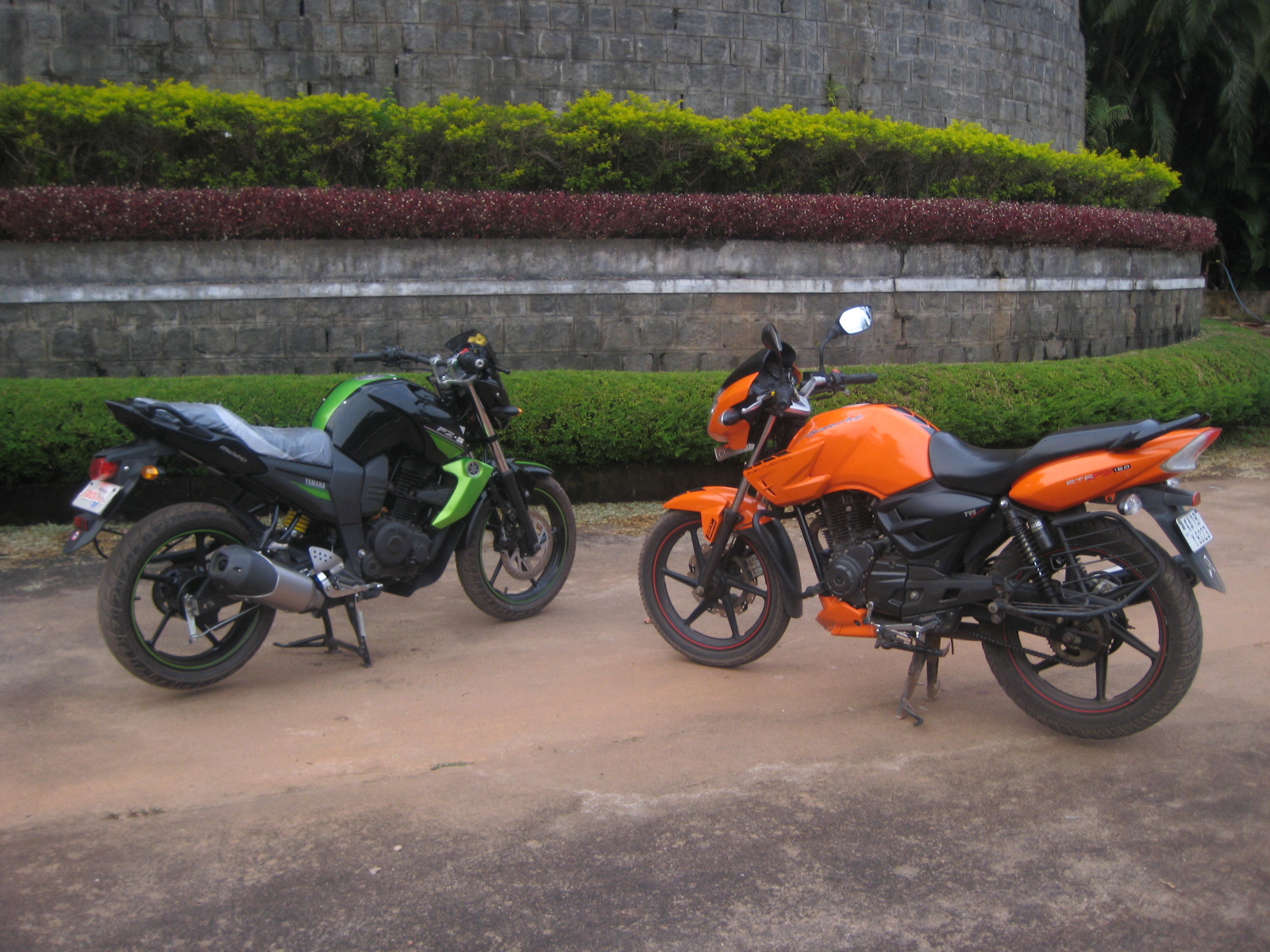 The orientation of the Apache with its screamer engine, sporty seating position and all the other racing bits like rear sets is more towards performance. The FZ-S, on other hand, is aligned more towards being a well-rounded 150cc machine that tries to enthusiast and style aficionado alike. The well-sorted chassis, the strong mid-range power and wide, grippy rear radials make sure that the FZ-S doesn’t fail to bring a smile on your face around winding roads. Knowing what the FZ-S is meant to do, extent to which it goes in trying to keep up the with the Apache is commendable. Nonetheless the latter, with its reviver, more powerful engine and more focused running gear is decidedly faster around the corners. The shorter wheelbase of the Apache makes it take sharper corners, but slightly handicap while negotiating the fast, long turns. The FZ-S fairs well in both types of corners. We were not very pleased with the rubber the Apache wheels were shod with. The better tyres would definitely have made us attack the apexes more confidently and would have widened the gap between two bikes even further.
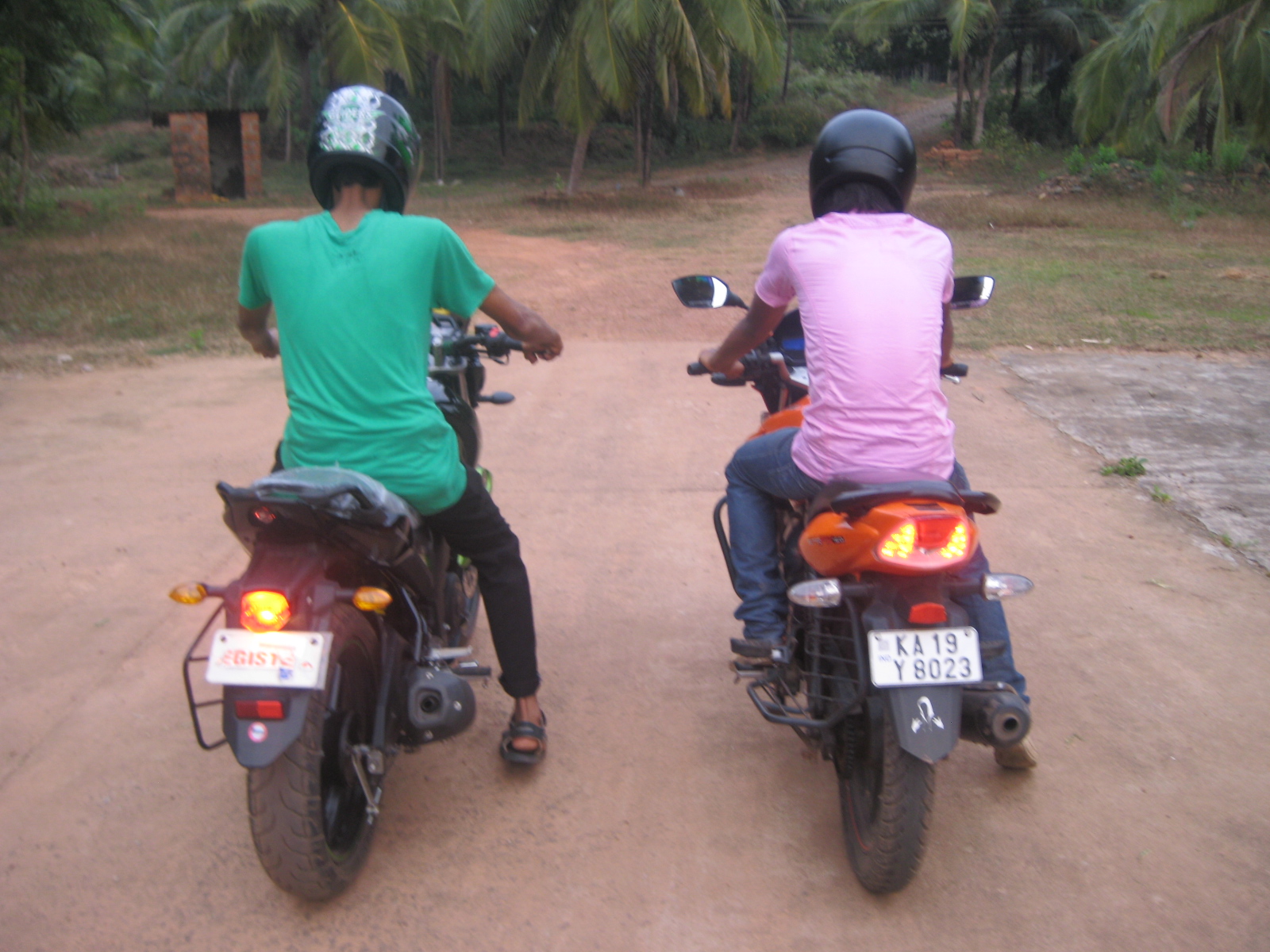
The FZ-S has got good appeal that’s tough to match. It delivers the good value-for-money package it asks for but isn’t as enticing a performer as the RTR. It’s a close call but we think that the FZ-S should make the cut here, although just by a whisker. At Rs 76,000, The RTR-FI with a rear-disc may try to justify its price, but the FZ-S has the 00mph and the versatility to negate the lure. If it’s the crab version of the RTR that you want to buy and performance is something that you cannot compromise, then at Rs 67,000 it is still a better deal. Just make sure you replace those stock tyres though!
Also see – Comparo – Hero Honda Karizma R v/s ZMR
